The Art of Traditional Ghee Making
Ghee is more than just clarified butter. It is a symbol of purity, tradition, and health. Making ghee the traditional way connects us to centuries of wisdom and care. I want to take you on a journey through the art of traditional ghee making. This process is simple yet profound. It demands patience, respect for nature, and a deep understanding of the craft.
Traditional ghee making is a celebration of time-honoured methods. It preserves the natural goodness of milk and transforms it into a golden treasure. This treasure is rich in flavour, aroma, and nutrients. It is a staple in many Indian kitchens and a prized ingredient in Ayurvedic practices.
Let’s explore how this art form unfolds, step by step. I will share practical tips and insights to help you appreciate and even try your hand at this beautiful craft.
The Essence of Traditional Ghee Making
Traditional ghee making starts with the freshest milk. The quality of milk directly influences the final product. Ideally, milk from grass-fed cows or buffaloes is preferred. This milk is rich in healthy fats and natural enzymes.
The first step is to convert milk into curd or yogurt. This is done by fermenting the milk at room temperature for several hours. The curd is then churned to separate the butter from the buttermilk. This butter is the base for ghee.
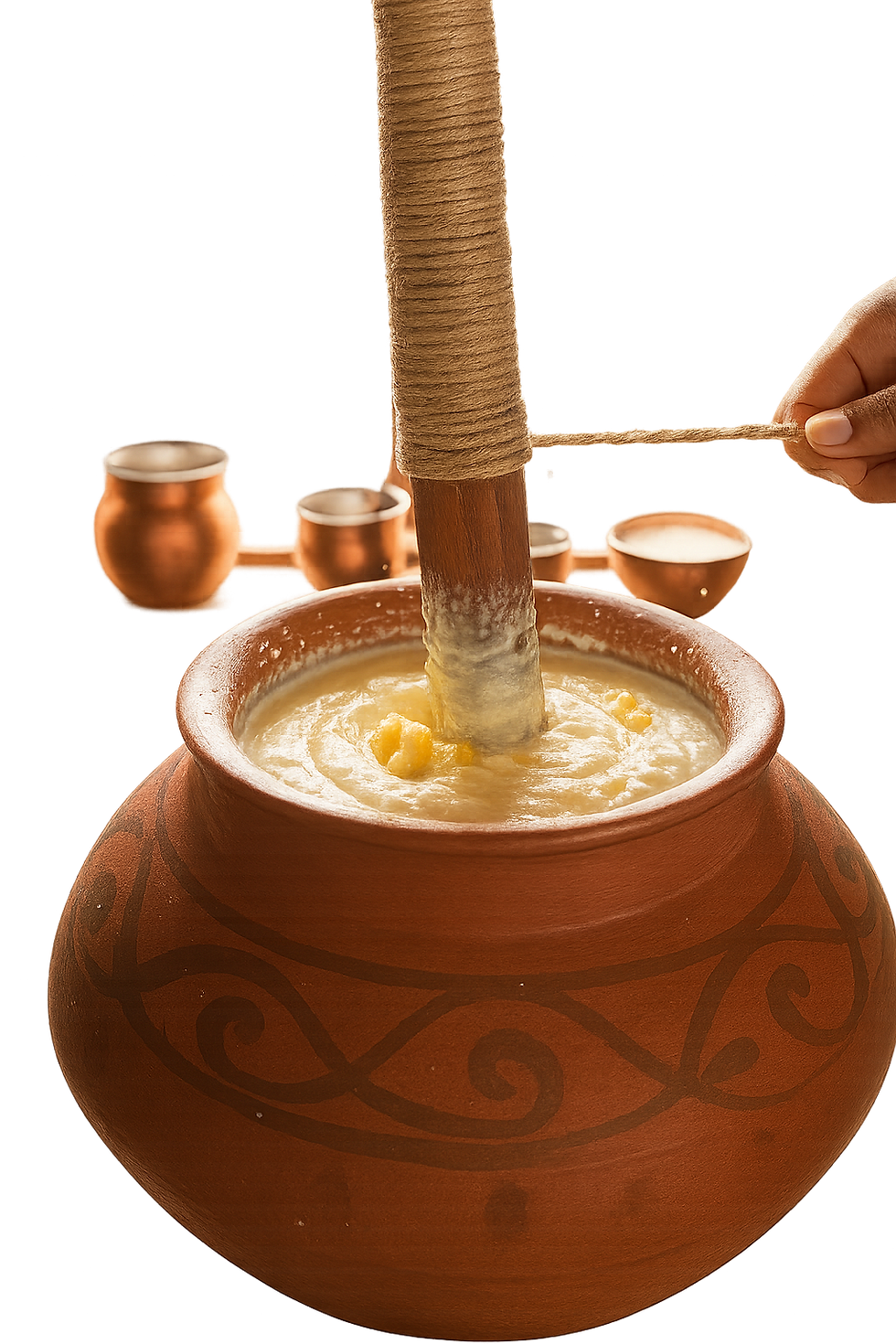
Churning is a crucial step. It requires rhythm and patience. Traditionally, a wooden churner or a hand-held churner is used. The butter is churned until it becomes smooth and creamy. This process releases the buttermilk, which is drained off.

Once the butter is ready, it is heated slowly in a heavy-bottomed pan. The heat must be controlled carefully. The butter melts, and the water content evaporates. Milk solids separate and settle at the bottom. The ghee turns golden and emits a nutty aroma.
The key is to watch the colour and smell closely. When the ghee is perfectly cooked, it is strained through a fine cloth to remove the solids. The result is pure, clear, golden ghee that can be stored for months without refrigeration.
Why Traditional Ghee Making Matters
Traditional ghee making is not just about the end product. It is about preserving a heritage. It is about respecting the natural process and the people behind it. This method ensures that the ghee retains its full nutritional value.
Unlike commercial ghee, which is often made quickly and with additives, traditional ghee is pure. It contains healthy fats, fat-soluble vitamins, and antioxidants. These elements support digestion, immunity, and overall well-being.
Moreover, traditional ghee making supports rural communities and women artisans. Many small-scale producers use these age-old techniques. By choosing traditionally made ghee, you contribute to sustainable livelihoods and ethical practices.
Mitra Ghee, for example, is committed to empowering farmers and women artisans in India. They ensure fair treatment and sustainable sourcing. This commitment adds value to every jar of their ghee.
The Tools and Ingredients You Need
To make traditional ghee at home or understand the process better, you need a few simple tools and ingredients:
Fresh full-fat milk: The foundation of good ghee.
A wooden churner or hand-held churner: For separating butter from curd.
A heavy-bottomed pan: To heat the butter evenly.
A fine muslin cloth or strainer: To filter the ghee.
A clean, dry jar: For storing the ghee.
The process is straightforward but requires attention to detail. Use fresh ingredients and clean utensils. This ensures the ghee is pure and free from contaminants.

Step-by-Step Guide to Traditional Ghee Making
Here is a practical guide to making ghee the traditional way:
Prepare curd: Boil fresh milk and let it cool to lukewarm. Add a spoonful of curd and leave it covered for 8-12 hours to ferment.
Churn the curd: Use a wooden churner to churn the curd until butter separates from the buttermilk.
Collect the butter: Drain the buttermilk and gather the butter in a bowl.
Heat the butter: Place the butter in a heavy pan and melt it on low heat.
Simmer and clarify: Let the butter simmer gently. Milk solids will separate and settle at the bottom.
Watch for colour and aroma: When the ghee turns golden and smells nutty, remove it from heat.
Strain the ghee: Pour the ghee through a muslin cloth into a clean jar.
Cool and store: Let it cool completely before sealing the jar.
This process takes time but rewards you with authentic, rich ghee. The flavour and health benefits are unmatched.
Embracing the Tradition in Modern Times
In today’s fast-paced world, traditional methods often get overlooked. Yet, the art of traditional ghee making holds immense value. It connects us to nature and our roots. It reminds us to slow down and appreciate quality.
Choosing hand churned ghee means choosing authenticity. It means supporting ethical farming and empowering artisans. It means investing in your health with a product made with care.
You can incorporate traditional ghee into your daily life easily. Use it for cooking, as a spread, or in Ayurvedic remedies. Its rich taste enhances every dish. Its health benefits nourish your body deeply.
By embracing this tradition, you keep a precious heritage alive. You honour the farmers and artisans who dedicate their lives to this craft. You enjoy a product that is pure, wholesome, and full of life.
Keeping the Legacy Alive
Traditional ghee making is more than a skill. It is a legacy. It is a gift passed down through generations. By choosing traditionally made ghee, you become part of this story.
Support brands and producers who value tradition and sustainability. Look for ghee made with care, without shortcuts. Share the knowledge and joy of traditional ghee making with your family and friends.
Together, we can preserve this art. We can ensure that future generations enjoy the richness of authentic ghee. We can celebrate health, heritage, and harmony in every spoonful.
Let the golden glow of traditional ghee light up your kitchen and your life.


Comments